

Frimpong’s Late Equalizer: Who Benefits, Who Loses, and How to Evaluate the Risk
The late equalizer scored by Frimpong in a high‑stakes match is not just a thrilling moment for fans—it is a stark reminder that betting outcomes can flip in seconds. If you are the type of bettor who relies on pre‑match analysis alone, a 90th‑minute goal can wipe out hours of research. If you are a disciplined live trader who anticipates volatility, the same goal can be a profitable pivot. The question is not whether such events happen; it is whether your risk strategy is built to handle them.
Why Bettors Search for Analysis of This Moment
When a player like Frimpong scores a crucial late equalizer, the immediate reaction is emotional. Fans celebrate, losing bettors regret, and winning bettors breathe again. But behind that emotion lies a practical need: understanding how such a result affects future decisions. Users search for breakdowns to learn how to anticipate late‑game shifts, to evaluate the reliability of live odds, and to decide whether they are the right profile to bet on such volatile markets. This article answers that need by looking at the event through a risk‑management lens—not by reliving the goal, but by analysing what it means for different betting personas.
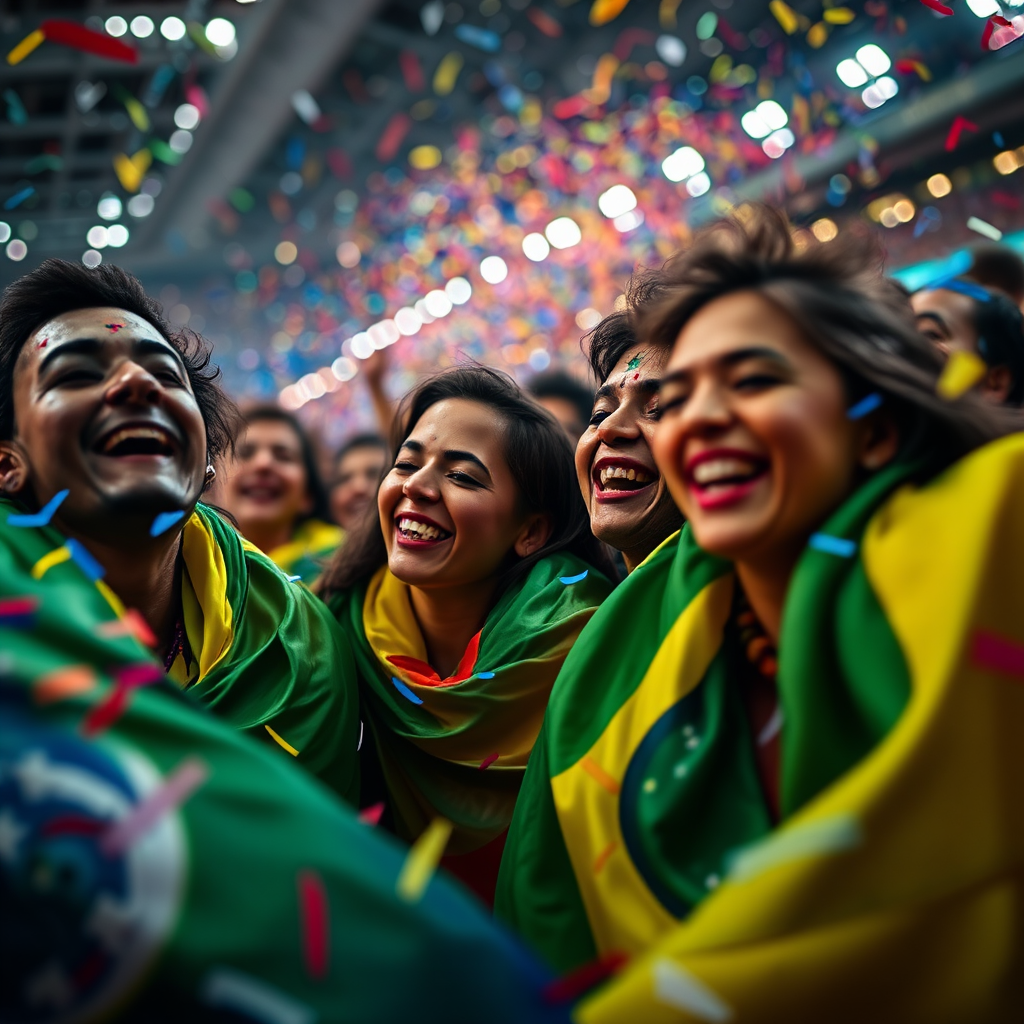
 Hình minh hoạ: nk88
Overview: The Equalizer as a Risk Event
Regardless of the exact match or competition, a late equaliser that turns a loss into a draw (or a draw into a win for the other side) represents a high‑volatility event. For bettors, it exposes a few universal truths:
- No lead is safe until the final whistle.
- Odds change rapidly in the final minutes, creating both opportunity and danger.
- Emotion can override discipline, especially when a sizable stake is involved.
The following table illustrates how different bet types can be affected by a single late goal, assuming a match where Frimpong’s team was trailing and he equalised.
| Bet Type | Pre‑Goal Outcome | Post‑Goal Outcome | Risk Implication |
|---|---|---|---|
| Match winner (team that was leading) | Win | Draw (bet loses, or push if draw no bet) | High loss potential; no hedge opportunity after goal |
| Match winner (team that equalised) | Loss (if trailing) | Draw (or win if they later score again) | Late hope; cash‑out value may spike briefly |
| Over/Under goals | Under could be close to losing | Over hits or under loses | Live odds shift dramatically; opportunity for early cash‑out |
| Correct score | High loss probability | Only specific scores win | Extreme risk; not recommended for most bettors |
This table is not a prediction but a framework. Every bettor should build their own matrix based on the specific match, league, and platform they use.

The Bettor’s Journey: From Pre‑Match to Final Whistle
Consider the journey of a typical user who placed a bet on the match where Frimpong’s equaliser occurred. The journey can be broken into four stages, each with its own risk checkpoints.
Stage 1: Pre‑Match Research
Before kick‑off, the bettor studies form, injuries, head‑to‑head records, and recent trends. At this stage, the risk is over‑confidence. A disciplined user checks multiple sources and sets a bankroll limit. For example, if a team has a habit of conceding late, the bettor might avoid backing them to win outright or consider a draw‑no‑bet option. The goal here is to separate information from noise.
Stage 2: Placing the Bet
Choosing where to place the bet matters. Platforms that offer transparent odds, live updates, and cash‑out features give the bettor more control. For instance, platforms such as nk88 provide multiple betting markets and real‑time adjustments. The risk at this stage is picking a platform with slow payout or unclear terms. The bettor should verify the site’s licensing, read user reviews, and test withdrawal processes with small amounts before committing significant funds.
Stage 3: Live Monitoring
As the match progresses, the bettor watches the score, possession, and key attacks. The first risk is emotional reaction. When a goal is scored, the temptation to chase losses or raise stakes is high. A good practice is to pre‑set a rule: never place a new live bet within two minutes of a goal. The second risk is information delay. Live odds on some platforms lag behind the action, so acting on a goal that already happened can lead to overpaying. Checking the platform’s latency before the match is wise.
Stage 4: The Late Equaliser
When Frimpong scores, the match dynamics invert. Bettors who backed the team that conceded the goal face a sudden loss. Those who had a draw or the equalising team may see their bets turn from losing to winning. The critical decision point is whether to cash out. A cash‑out offer after the goal may be higher than before, but it locks in a profit (or reduced loss). The risk is that the offered amount is still less than the potential win if the team later wins. There is no single correct answer; the choice depends on the bettor’s risk tolerance and remaining match time.
Risk Assessment: Who Should Bet on High‑Volatility Events?
Not every bettor is suited to markets where a single late goal can turn everything upside down. Based on the analysis of Frimpong’s equaliser as a risk event, here is a breakdown of who is suitable and who is not.
Suitable Profiles
- Small‑stake punters who treat betting as entertainment and can afford to lose the entire stake without affecting their finances.
- Live traders who actively monitor odds and can use cash‑out or hedging tools to manage exposure.
- Statistically‑minded bettors who study late‑goal patterns and only bet on teams with a proven tendency to equalise or collapse.
- Those with a clear bankroll rule (e.g., never bet more than 2% of total bankroll on a single outcome) can absorb the variance.
Unsuitable Profiles
- Large‑stake gamblers who place bets that represent a significant portion of their savings or income.
- Emotional bettors who chase losses or double down after a late equaliser ruins their pre‑match pick.
- Beginners who have not yet defined a personal risk limit and may mistake a lucky late goal for skill.
- Bettors who rely solely on pre‑match analysis and ignore live behaviour; a late equaliser can invalidate hours of homework in seconds.
The key is transparency with yourself. If you have ever felt angry or desperate after a last‑minute twist, you belong to the second group until you build better discipline.

How to Verify and Check Your Own Risk Level
Managing risk is not about avoiding volatility; it is about knowing your limits and verifying the tools you use. Here is a practical checklist you can apply before your next bet on a high‑variance event.
- Set a maximum loss per session. Decide a number that you are comfortable losing entirely. Write it down.
- Test the platform’s live features. Use a small bet to see how quickly odds update and whether cash‑out is available. For example, games like xóc đĩa nk88 have different live dynamics, but the principle of testing holds.
- Review your emotional history. Keep a simple log: after each bet, note your emotional state when you won or lost. After three entries, look for patterns.
- Never bet on a match you cannot watch live. A late equaliser is most dangerous when you only see the result later and cannot adjust.
- Understand the market. Read the rules for “draw no bet”, “cash out”, and “void” conditions. These are not uniform across platforms.
Frequently Asked Questions
1. How does a late equaliser affect a cash‑out offer?
The cash‑out value usually jumps immediately after the goal because the new draw odds are lower. If your bet was on the equalising team to win, the offer may remain low because the match is still live. Always compare the cash‑out amount to the potential win to decide.
2. Is it better to bet on teams that often score late goals?
Historical data can guide you, but it is not a guarantee. A team that scores many late goals may also concede them. The risk is that such markets are priced efficiently, and the odds reflect the known pattern. You need to find value where the public over‑ or under‑estimates the probability.
3. Can a late equaliser be predicted?
Not with certainty. Statistical models can estimate the probability of a goal in the final minutes based on factors like fatigue, substitutions, and scoreline. Using those models as a guide is better than pure guesswork, but no prediction is foolproof.
4. What should I do if I lost a bet because of a late equaliser?
First, take a break. Do not immediately place another bet to recover the loss. Analyse whether your pre‑match reasoning was sound regardless of the outcome. If it was, accept the variance. If not, adjust your research criteria.
5. Are late‑goal markets riskier than other bet types?
They are more volatile, but not necessarily riskier if you use proper stake sizing and cash‑out discipline. The real risk is in the emotional response, not the mathematical probability.
Conditional Conclusion: Fit the Bet to the Bettor
Frimpong’s late equaliser is not a one‑off anomaly; it is a recurring pattern in football that separates experienced bettors from the rest. If you have a robust bankroll, a clear set of rules, and the emotional resilience to accept last‑minute swings, such markets can offer exciting opportunities. If you struggle to separate luck from skill or feel anxious when the score changes in stoppage time, you are better off sticking to pre‑match bets with lower variance or avoiding such events altogether. The equaliser itself is neutral—it is your risk profile