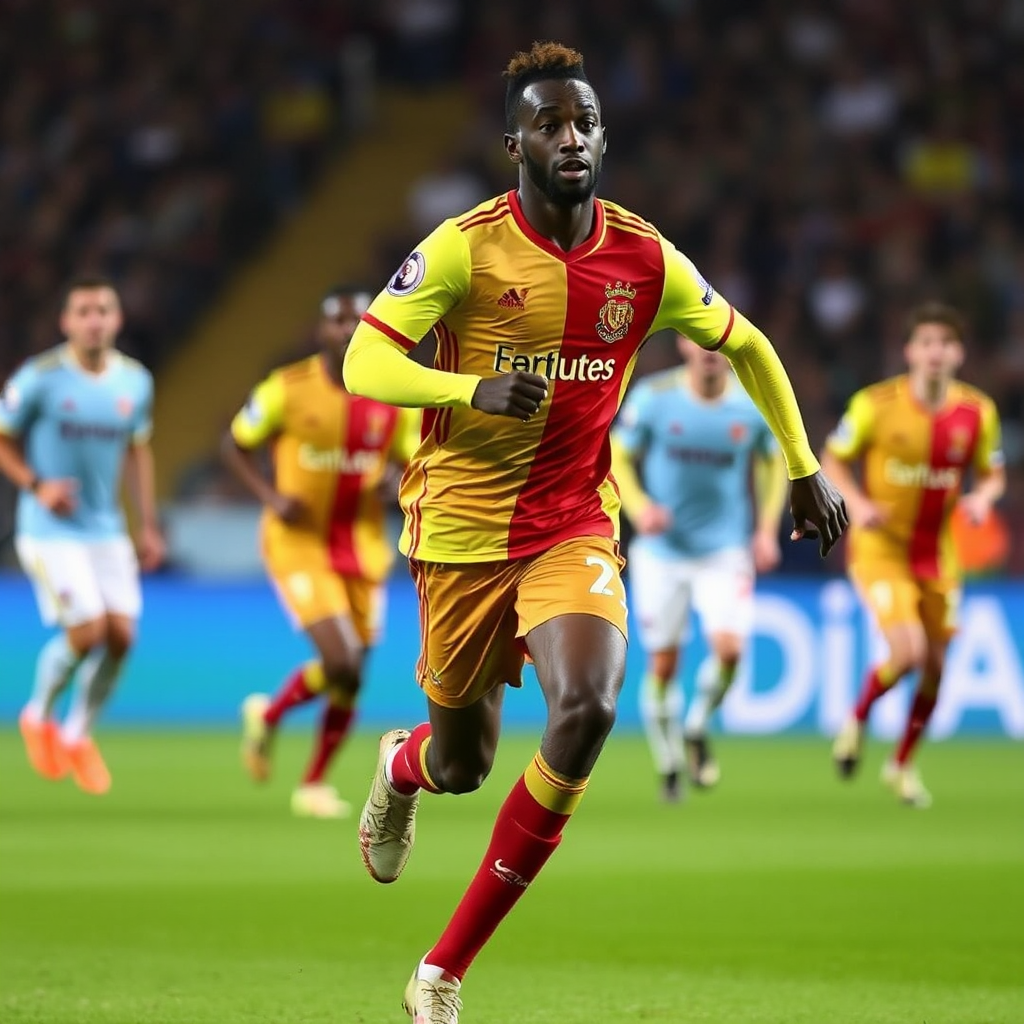

Malmo FF Complete Transfer of Swedish Young Player of the Year: A Long-Time Observer’s Review
Saturday morning, 8:47 AM. The notification lands on your phone: “Malmo FF complete transfer of Swedish Young Player of the Year.” You have watched this club sell its best talents before, so you hesitate before feeling excitement. The deal is announced, the club’s social media teams celebrate, and the comment sections split between pride and frustration. The real question is not whether the transfer happened — it is whether the move serves the player, the club, and everyone who watches from the stands. After following Swedish football transfers for years, I have learned to look past the announcement and examine the structure of the move: the league the player enters, the promise of playing time, and the personal circumstances that a headline can never capture.
Five Key Findings About This Transfer Pattern
- The award is a label, not a guarantee. Swedish Young Player of the Year winners usually did excel in Allsvenskan, but the gap between the Swedish top flight and the bigger European leagues remains wide. One strong domestic season does not automatically translate into success abroad.
- Malmo’s business model depends on sell-on value. The club rarely receives a huge upfront fee for domestic talents; instead, the structure includes bonuses, appearance clauses, and future transfer percentages. Those hidden terms often matter more than the headline number.
- Playing time is the single biggest factor. A player who moves too early and sits on the bench for six months often regresses more than a player who stays one more season. Minutes on the pitch trump almost every other consideration in a young player’s development.
- Fan communities split quickly. Supporters with an emotional attachment read the transfer as a betrayal; data-minded observers read it as a necessary step in a small league’s financial cycle. Both views contain some truth.
- The so-called “complete transfer” is rarely complete. Medical conditions, personal terms, international clearance, and even the weather on the first training session can change the outcome. News of a “done deal” should always be treated as the beginning of a new chapter, not the end.
 Hình minh hoạ: 7mcn
The Mechanics of a “Complete Transfer”: More Than a Signature
When a club says “complete transfer,” they usually mean a permanent deal: the buying club pays an agreed fee, the player signs a multi-year contract, and the registration is completed before the deadline. In Sweden, the process normally starts with a bid that matches the selling club’s valuation. Negotiations then cover the upfront fee, performance bonuses, a sell-on clause, and sometimes a friendly match arrangement as part of the package.
Medical examinations are not a formality. They check old knee issues, heart screening, and the player’s physical profile against the tactical demands of the new league. Many deals stall at this stage, especially for players who carried heavy workloads through the Nordic season without a proper winter break. That is why clubs rarely announce a transfer as “complete” until the last signature is dry; plenty can go wrong in the final forty-eight hours.
For Malmo, the formula has been refined over the years. The club knows that Allsvenskan cannot compete with German or Italian salaries, so they focus on producing talented players who can be sold after a few strong seasons. The Swedish Young Player of the Year award is a useful badge in these negotiations. It tells a buying club that the player has been watched by the Swedish football federation’s technical observers, that he has outperformed peers in his age group, and that he has handled the pressure of playing in front of large home crowds.
Still, the badge only takes the negotiation so far. Foreign scouts look at the underlying stats: the number of completed 90-minute matches, the technical actions under pressure, the physical duels won in the Nordic winter, and the player’s attitude during defensive transitions. A youth award can raise the price tag, but it will not protect the player from the pace of a stronger league.

Why the Award Deserves Attention — and Caution
Sweden has produced a steady line of young players who earned national recognition and then moved abroad. Some thrived, others disappeared from the radar. The difference was rarely talent. It was the fit between the player’s playing style and the tactical demands of the destination league.
A creative midfielder with a slight frame may look brilliant in Allsvenskan, where matches are more space-driven. In a physical league, the same player might struggle to receive the ball between the lines. Similarly, a striker who relies on through-balls may need a team that builds patiently, rather than a club that plays direct, second-ball football. The profile matters as much as the price. Recent examples such as Hugo Larsson’s move to Eintracht Frankfurt show that even well-regarded Swedish talents need a settling period before they deliver on the biggest stage.
Another reason for caution is the adjustment period. Swedish players moving abroad face a new language, a different training intensity, and, often, a more impatient fan base. The first six months can be painful. Clubs that promise “safe development” often give the player a limited integration period, while other clubs simply throw the player into the starting eleven and hope. Neither approach is automatically right, but the player’s own psychological readiness matters more than the club’s prestige.
There is also a financial dimension that few supporters consider. A big transfer fee puts a visible price tag on the player’s back. Coaches may feel obligated to play him, or the opposite — they may bench him to avoid looking dependent on a new recruit. The award, in that sense, cuts both ways: it creates opportunities, but it also creates expectations that can become a heavy backpack during the first season.

Who Actually Wins? A Stakeholder Comparison
| Stakeholder | Main Gain | Main Risk | Bottom Line |
|---|---|---|---|
| Player | Higher salary, bigger exposure | Sitting on the bench during peak development years | Worth it if the contract includes clear playing-time expectations |
| Malmo FF | Transfer income, sell-on potential | Losing a fan favorite weakens ticket sales | Good business if the fee is structured with future bonuses |
| Buying club | A young asset with international recognition | Overpaying based on hype rather than performance data | Reasonable for clubs with a real development plan |
| Fans | Pride in seeing another academy graduate move abroad | Emotional letdown if the player struggles | Mixed outcome that depends on the player’s next season |

Who This Transfer Fits — and Who Should Skip It
After watching several Swedish young player of the year moves from the stands and from abroad, I have noticed a pattern: the transfer works best when the player is moving to a league that offers a visible route to regular minutes. A player who fits the profile — mentally strong, physically ready, and technically adaptable — can use the move as a springboard. A player whose main strength is against lower-block teams in small stadiums may need one more season of development before traveling.
It also matters who is on the receiving end. A mid-table club in a top-five league, with a coach known for improving wingers or central midfielders, is often a better destination than a big club where the starter position is blocked by an expensive star. Fans who want to see the player succeed should actually be pleased if the buying club is not in the title race; it reduces the pressure and increases training opportunities.
Then there are the people who should simply skip the hype. Fans who treat the award as proof of future stardom are setting themselves up for disappointment. Agents who prioritize a quick commission over a playing-time guarantee do real damage. And clubs that buy a Swedish talent just because the shirt sells well in Scandinavia usually regret the spending. The same rule applies to casual viewers who expect the player to dominate the first match; the adjustment curve rarely works that fast.
Practical Recommendations in the Run-Up to the Transfer
Before you celebrate or criticize a completed deal, look at contracts, not just headlines. The official club announcement usually reveals the length of the deal, the guaranteed portion of the fee, and the presence of a resale clause. If those details are missing, the club is likely waiting for the right moment to release them — or there may be nothing special to announce. Compare the player’s actual stats with the league average for his position; this will tell you more than any scouting YouTube clip. If you like to keep track of match form and performance trends, many Swedish fans use stats platforms such as 7mcn to review recent results before forming an opinion.
For those who enjoy the data side of transfers, a second resource is worth mentioning: 7m cn shows fixture schedules and odds movement that sometimes hint at how the market reads a team’s strength after losing a star. Treat this as entertainment and context, not as a prediction tool. And if you are tempted to bet on the player transferring or the team winning the next trophy, set a strict bankroll limit and accept that any outcome is possible. Responsible participation means understanding that even the best-researched transfer can fail on the pitch.
The Verdict Depends on One Condition
Every transfer of a young Swedish player of the year comes with the same condition: the first full season in the new league decides whether the deal is remembered as a smart step or a wasteful move. If the player earns at least twenty-five league starts, improves his goal or assist numbers, and survives the physical tests, then the transfer deserves praise from every side. If he disappears into the reserves before Christmas, the same people who celebrated the deal will call it another case of a Swedish prospect sold too early. That is football — and the only reliable approach is to wait, watch, and judge after the next May. Malmo FF has made a habit of moving young talents at the right business moment; whether the player matches that timing emotionally and tactically is the question that no announcement photo can answer.